HP SUPPORT
Project Overview
Timeframe: Compilation of multi-month projects
Team size: 1-5
Role: UX Researcher
Target user: Computer and/or Printer owners
Platform: Computer
Tools used: UserZoom, UserTesting
BACKGROUND + CONTEXT
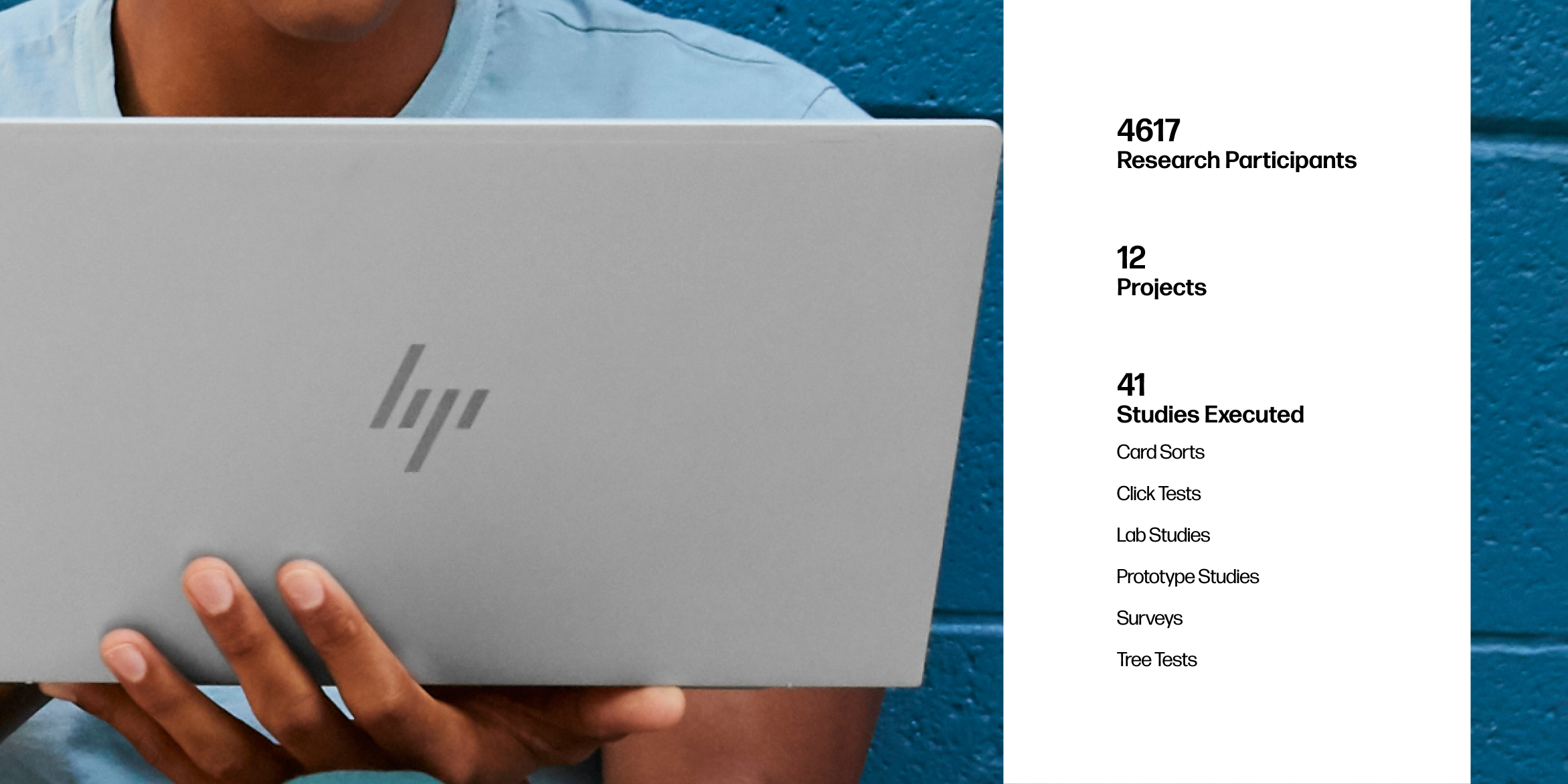
At HP, I provided research as a service, facilitating tactical research to fulfill requests from all teams within the support organization. My studies involved testing designs, prototypes, and the information architecture across the support website and applications. Through these research initiatives, I uncovered recurring themes that indicated a need for more strategic and generative research. My findings yielded critical insights that significantly informed the organization’s understanding of user behavior concerning support preferences and channels.
My research spanned both assisted (live support) and unassisted (self-service tools) channels, revealing user insights that upended long-held beliefs entrenched in the business. Throughout my time at HP, I evangelized the key UX tenet that “you are not the user” (a tough sell to a business solely using their own products).
I quickly found that users have a strong inclination to exhaust all troubleshooting options before seeking direct assistance. Despite this, the organization aimed to minimize direct support contact, driven by cost considerations, which often resulted in frustrating user experiences.
To validate these findings, I conducted comprehensive user testing—both moderated and unmoderated—focused on various support channels (chat, messenger, phone). The evidence consistently indicated that placing barriers to accessing support (e.g., hiding the phone number) only leads to frustration among users.
Key Findings:
1. User Reluctance to Call for Support: A significant insight revealed that most users prefer to avoid calling manufacturers for assistance. When they do call, it typically indicates that previous support resources have proven ineffective.
2. Diverse Definitions of Support: Users perceive "Support" differently than the business does. For them, seeking information to understand product behavior is as crucial as troubleshooting specific issues.
3. Support as a Continuous Journey: Users expect support throughout their entire product lifecycle—from pre-purchase inquiries to post-purchase assistance—rather than viewing it as a discrete, isolated step.
EXAMPLE STUDIES + FINDINGS
The studies below are examples of how seemingly benign requests for research can lead to highly impactful findings, or at the very least clues of where to dig deeper.
Overall, the research underscores the necessity for HP to reconsider its approach to user support. By recognizing and addressing user preferences for support channels, the organization can foster a more user-centric experience that enhances satisfaction and loyalty. Adopting a holistic view of support as an ongoing journey will ultimately drive better engagement and outcomes for both users and the business.
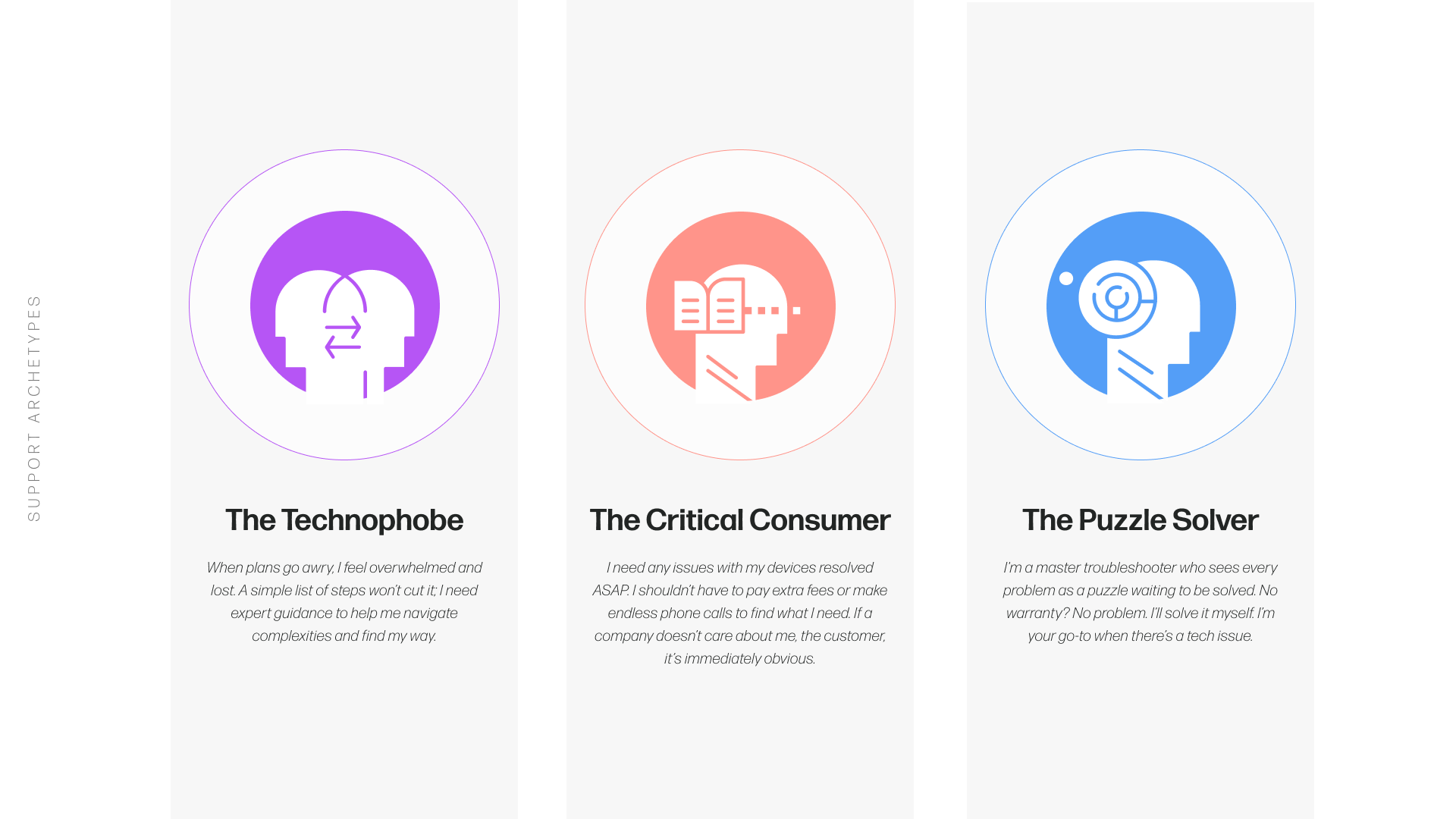
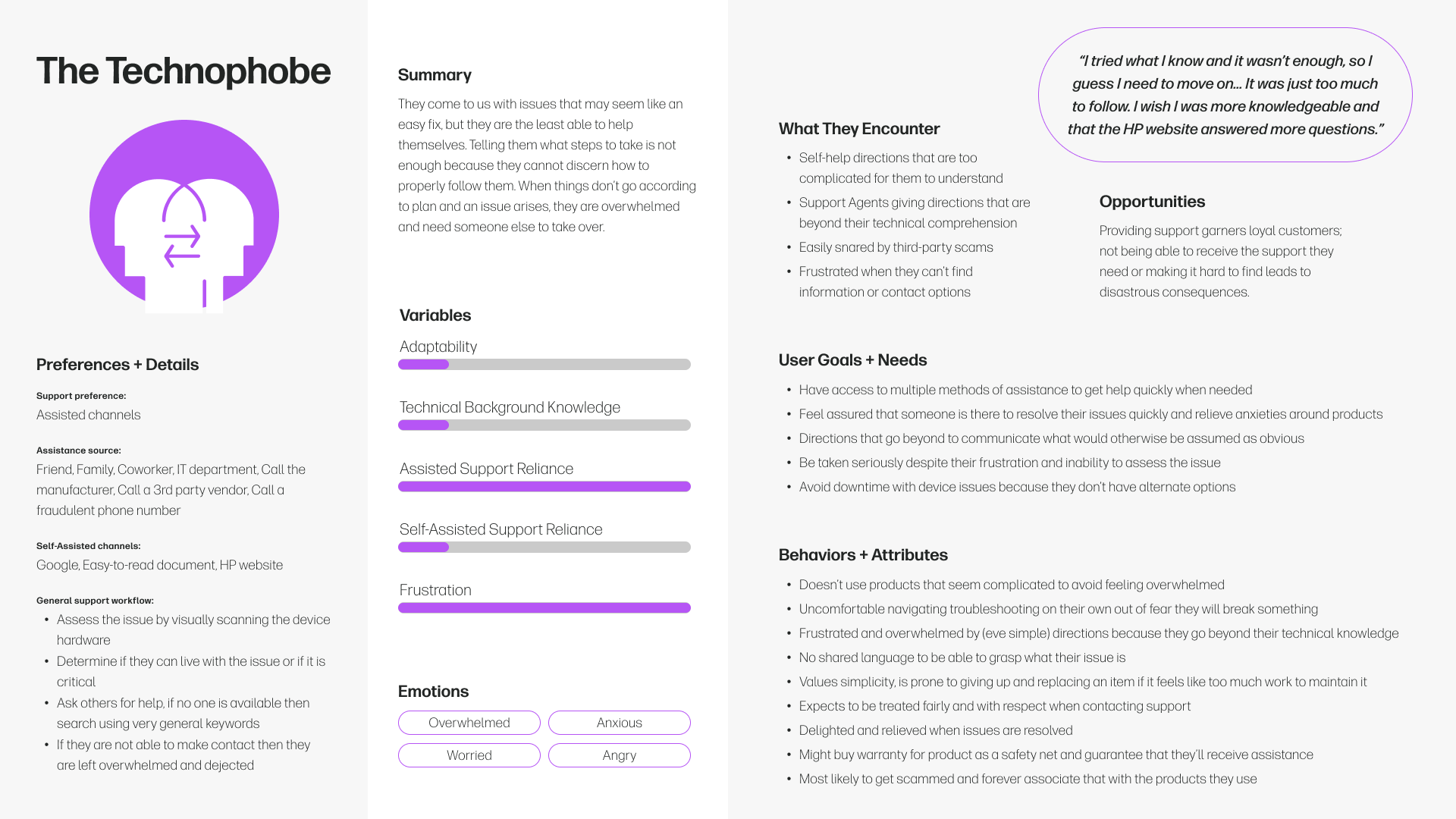
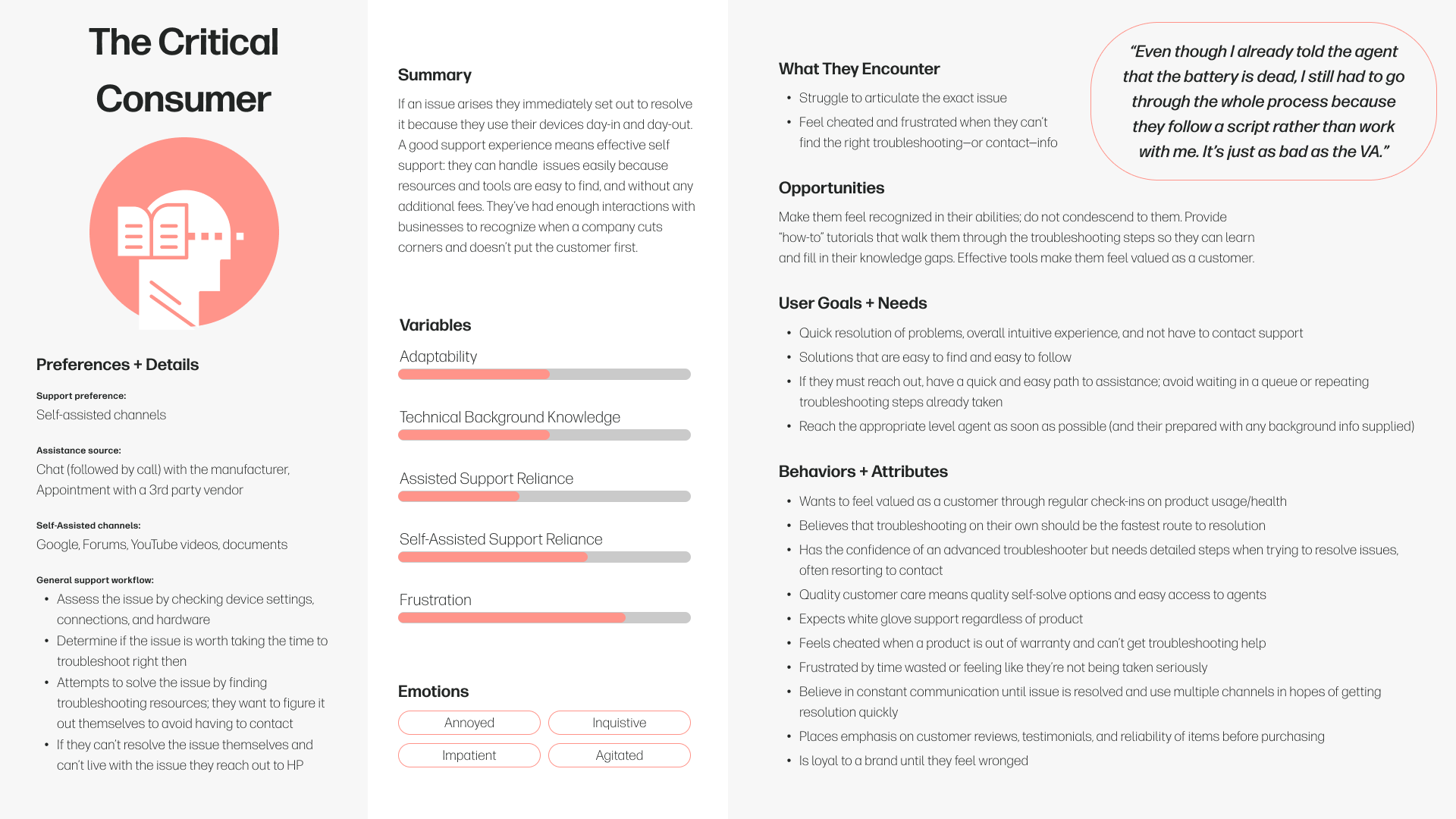
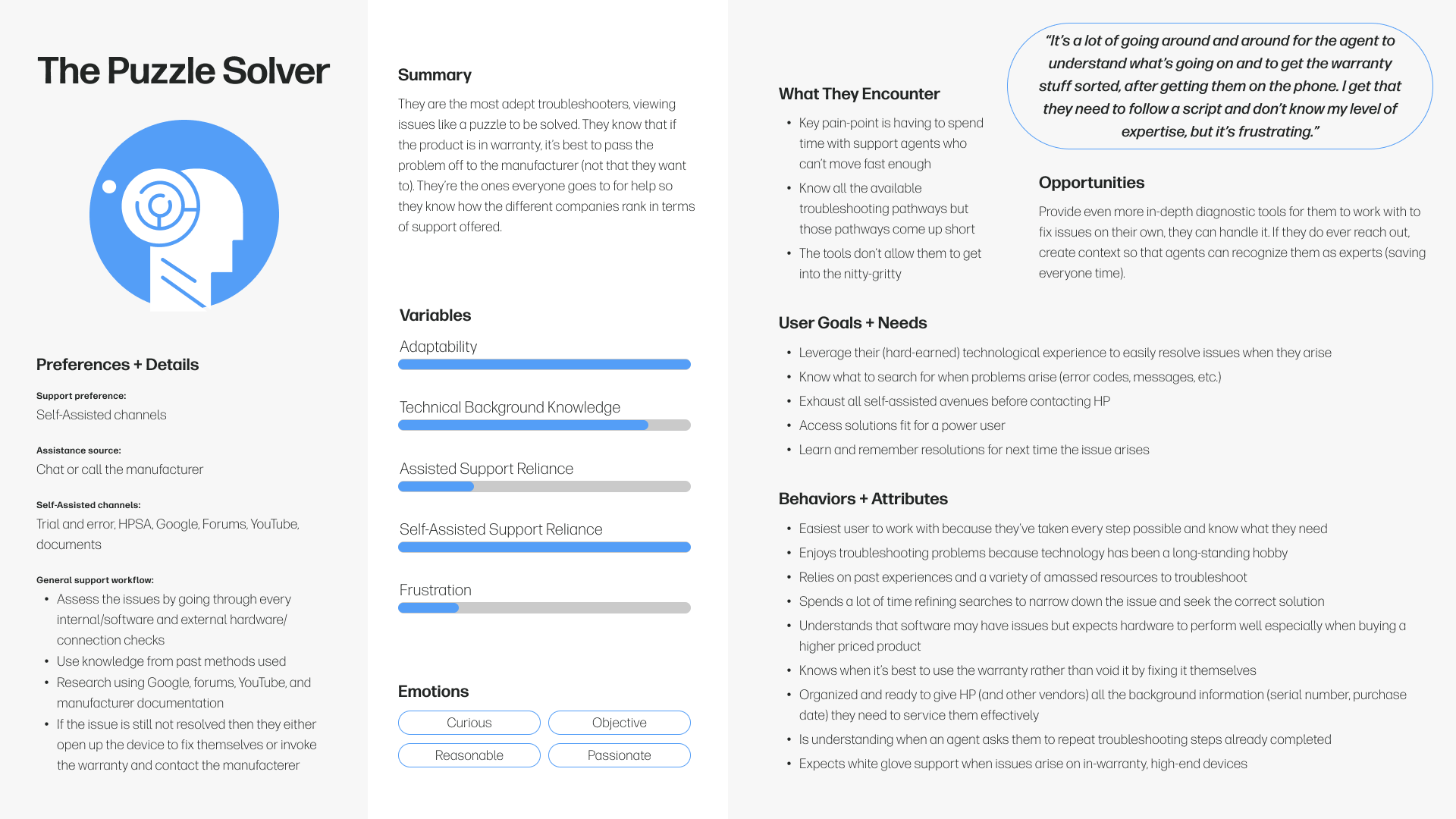
The final deliverable from all studies completed, are three Archetypes, which are used by the support organization to inform all design decisions.
CLICK TEST DESIGN STUDY:
CONVERTING TACTICAL FINDINGS INTO STRATEGIC INSIGHTS
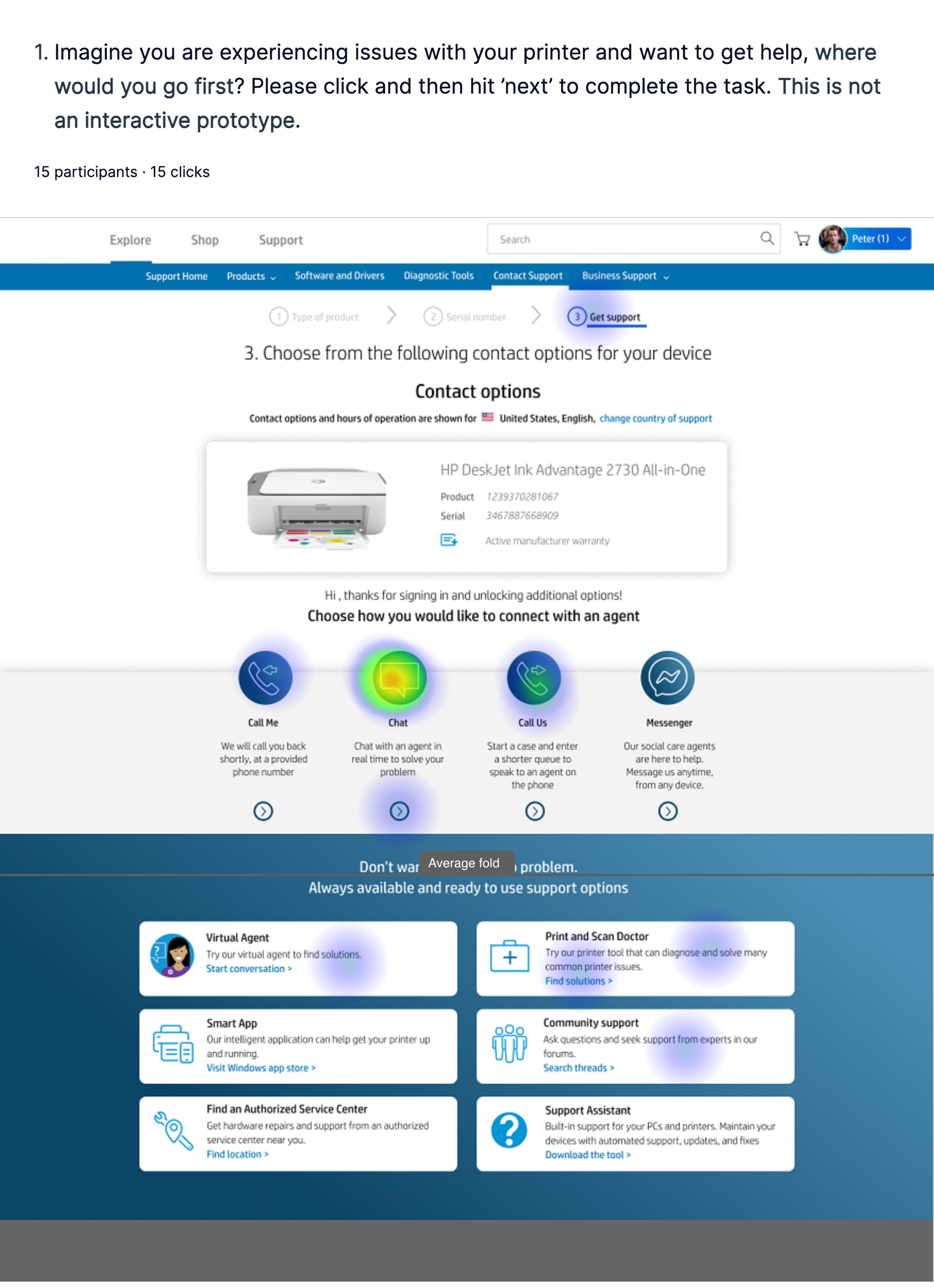
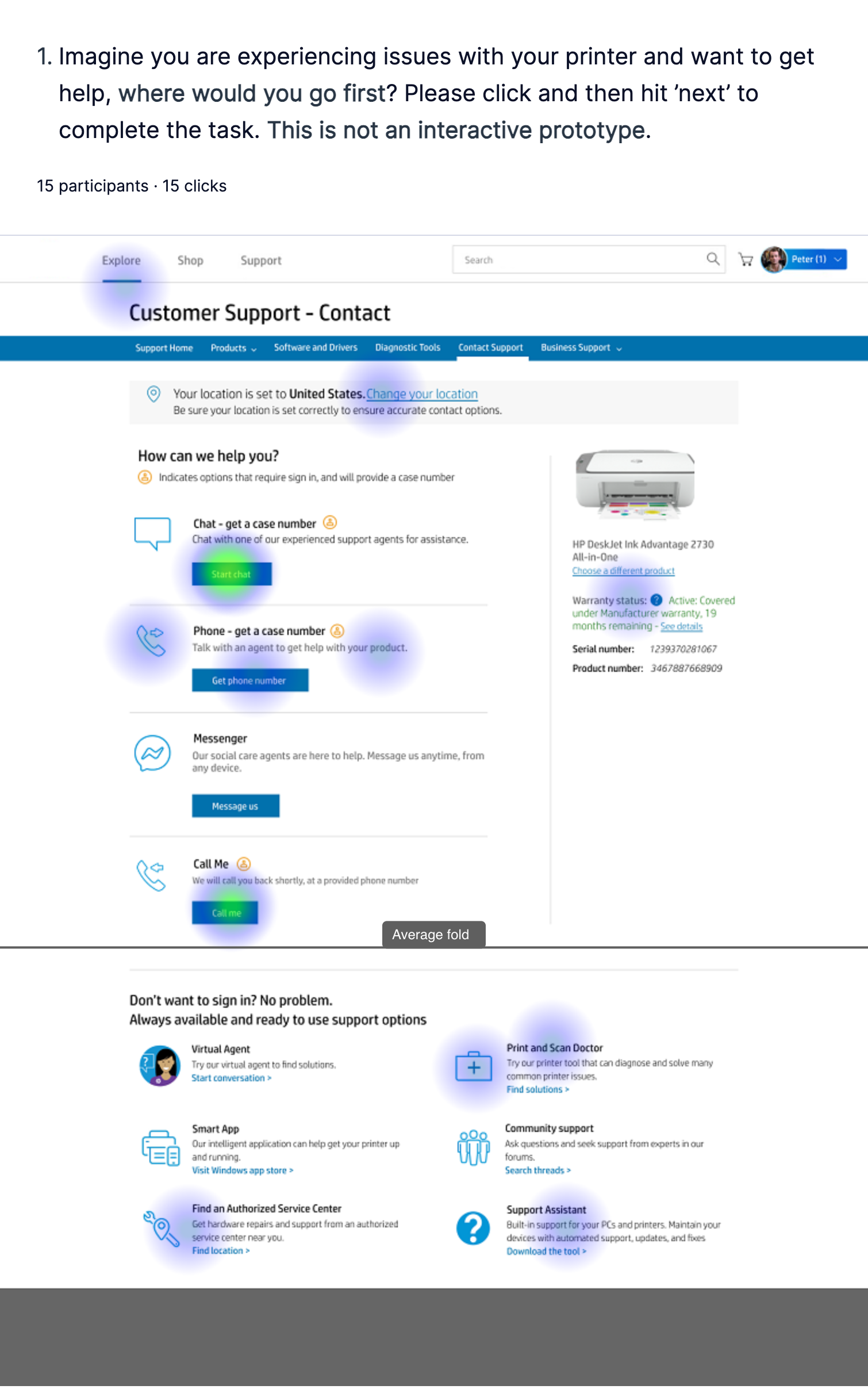
The hypothesized that the layout of contact options (horizontal or vertical), and order of the options laid out (first, second, third, fourth positions), would lead to more (or less) calls.
With a total of 120 participants, each set of 15 was shown a different image and asked for their preference.
This study began as a benign request to study a simple design but helped uncover key insights into user contact and support preferences.
MODERATED PROTOTYPE STUDY:
UNCOVERING USER FRUSTRATION AND SUPPORT STRATEGIES
My goal with the moderated study was to demonstrate to leadership how participants navigate the process of contacting the manufacturer.
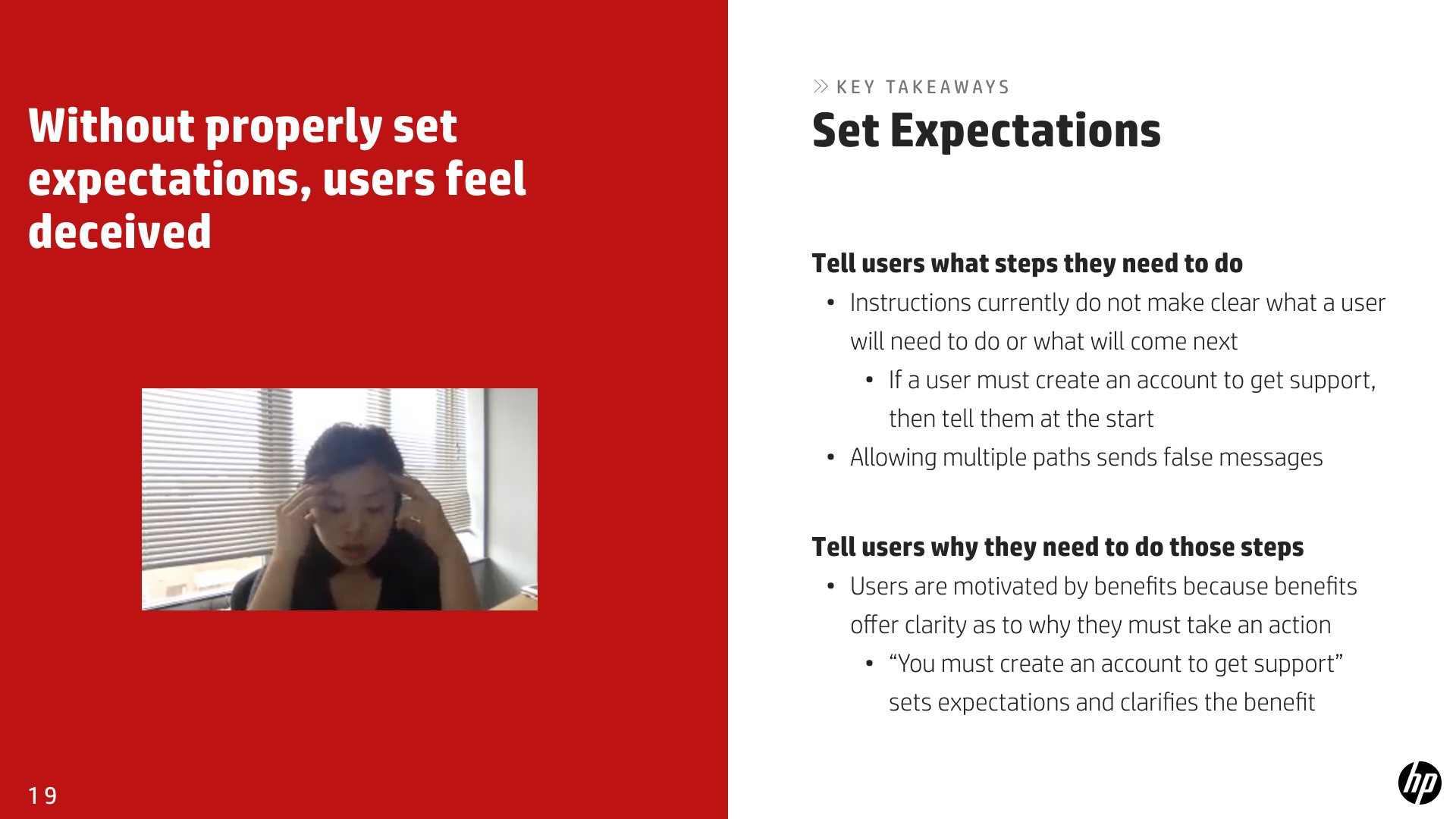
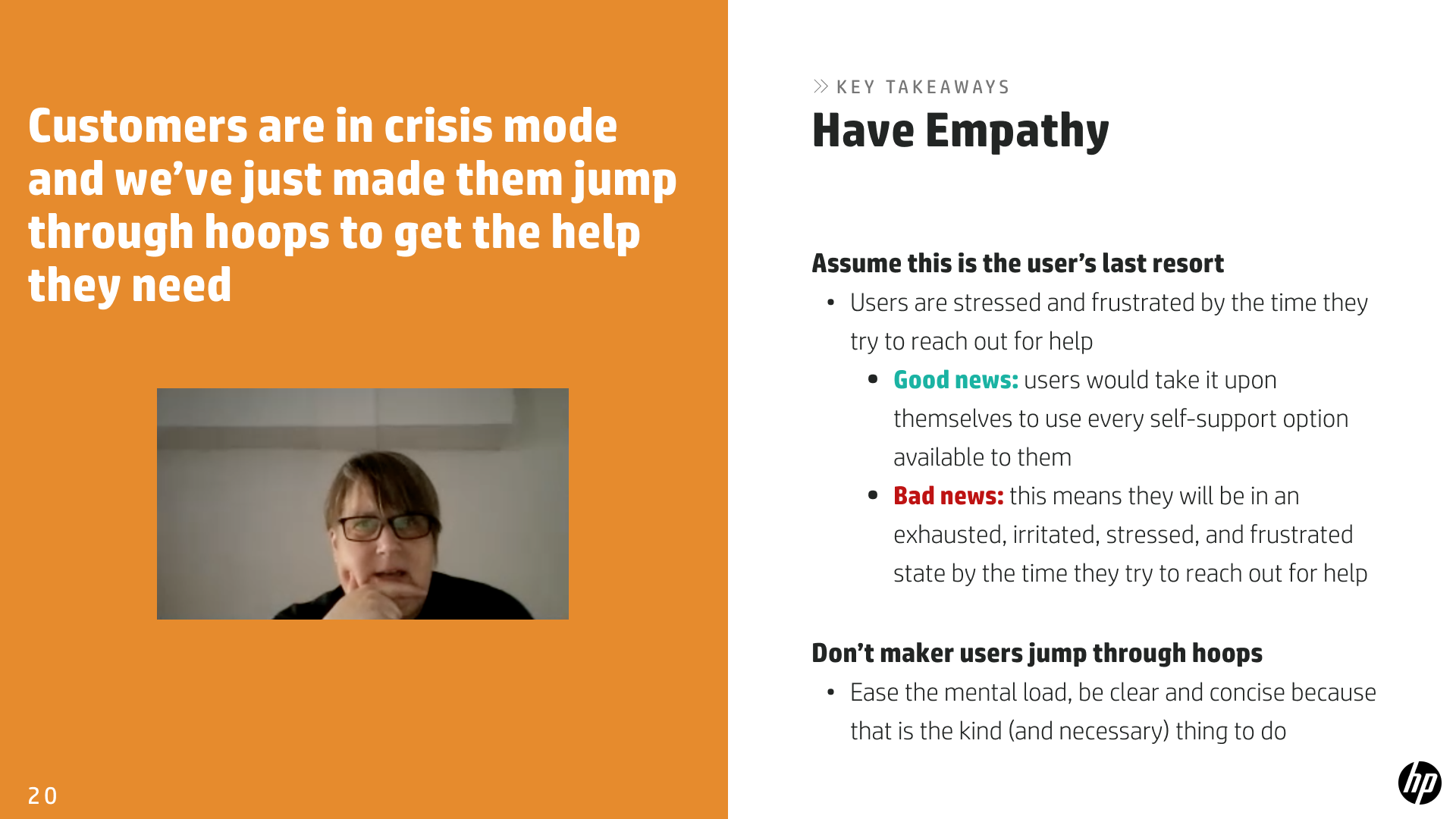
although the only task for participants was to contact the manufacturer, surprisingly, all participants started by selecting troubleshooting options, indicating their intention to exhaust all avenues to identify the issue.
However, the prototype required users to try troubleshooting options before they could contact support, which frustrated many, as they felt they had already taken these steps.
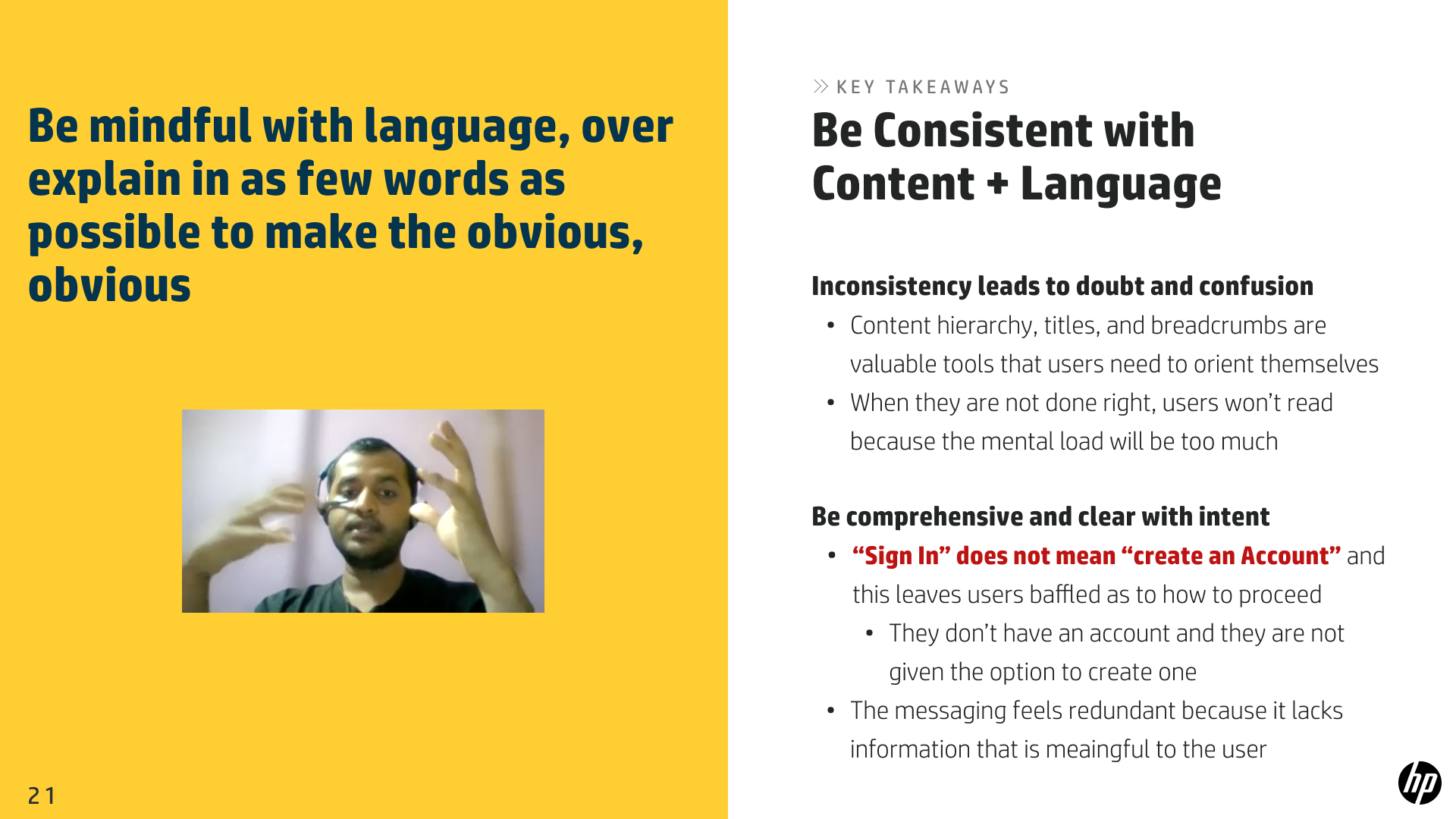
By assessing user journeys, I identified where different users experienced confusion and analysis paralysis. This highlighted a divide in how various users approach potential hardware issues, prompting me to explore this further.
This paved the way for me to lead a large-scale research study where 30 participants were placed in a lab with broken hardware.
LARGE SCALE LAB STUDY:
Strategic Usability Testing Reveals Diverse Problem-Solving Approaches
The goal of this study was to consolidate previous research findings into a compelling deliverable that would provide the business with strategic insights to inform key design decisions. This research study emerged from earlier design user testing that revealed varying user preferences in troubleshooting and contacting the manufacturer. These tests highlighted confusion points and unmet needs, underscoring a significant divide in how users approach potential hardware issues.
I led a large-scale research study involving 30 participants who were placed in a controlled lab environment with intentionally malfunctioning hardware. This setup closely mimicked real-world scenarios, allowing us to observe the authentic paths users take to resolve their issues and the emotions they experience throughout the process. There were no constraints placed on them regarding which resources or methods they could or could not use.
By carefully crafting tasks that could be replicated consistently and aligned with top call drivers, I aimed to create a balance between engaging and challenging experiences for participants. This complex yet rewarding endeavor provided my first in-depth exploration of the hardware aspects of the company.
The outcomes of this study not only shed light on user journeys and pain points but also informed future design and support strategies to enhance the overall customer support experience.
METHODOLOGY
PARTICULARS
30 participants
2 hour individual sessions in a lab environment
Participants ranged in self-reported comfort with technology, age, income, and support channel preferences and styles
Each participant was given a computer (connected to the internet, but with an audio driver disabled), printer (connected to a network, but not the same network the computer was connected to), a computer that would not power on, and a smartphone that could make calls
TASKS
Audio driver disabled
Please play a music video for me on YouTube. If you go to the Chrome browser on this computer, you’ll see the bookmark for the video. Go ahead and play the video and listen to the song.No power, no boot
I have a notebook I want you to interact with. I would like you to turn this computer on so you can browse the internet.Printer on the wrong network
I would like you to print the document titled “Please Print” which you will find on the desktop.
The goal of this study was to record participant’s journeys as they faced real-life computer and printer issues. There were no boundaries or rules on how they could navigate encountering these issues, they were free to (or not to) contact whoever they wanted. They could freely explore all connection points of the hardware. They could initiate contact with the manufacturer and even initiate a warranty replacement request.
With this research strategy I answered large-looming business questions and assumptions that teams and leadership throughout the organization had taken for granted; namely, how do users seek support?
FROM INSIGHTS TO ARCHETYPES:
MODERNIZING PERSONAS THROUGH COMPREHENSIVE UX RESEARCH
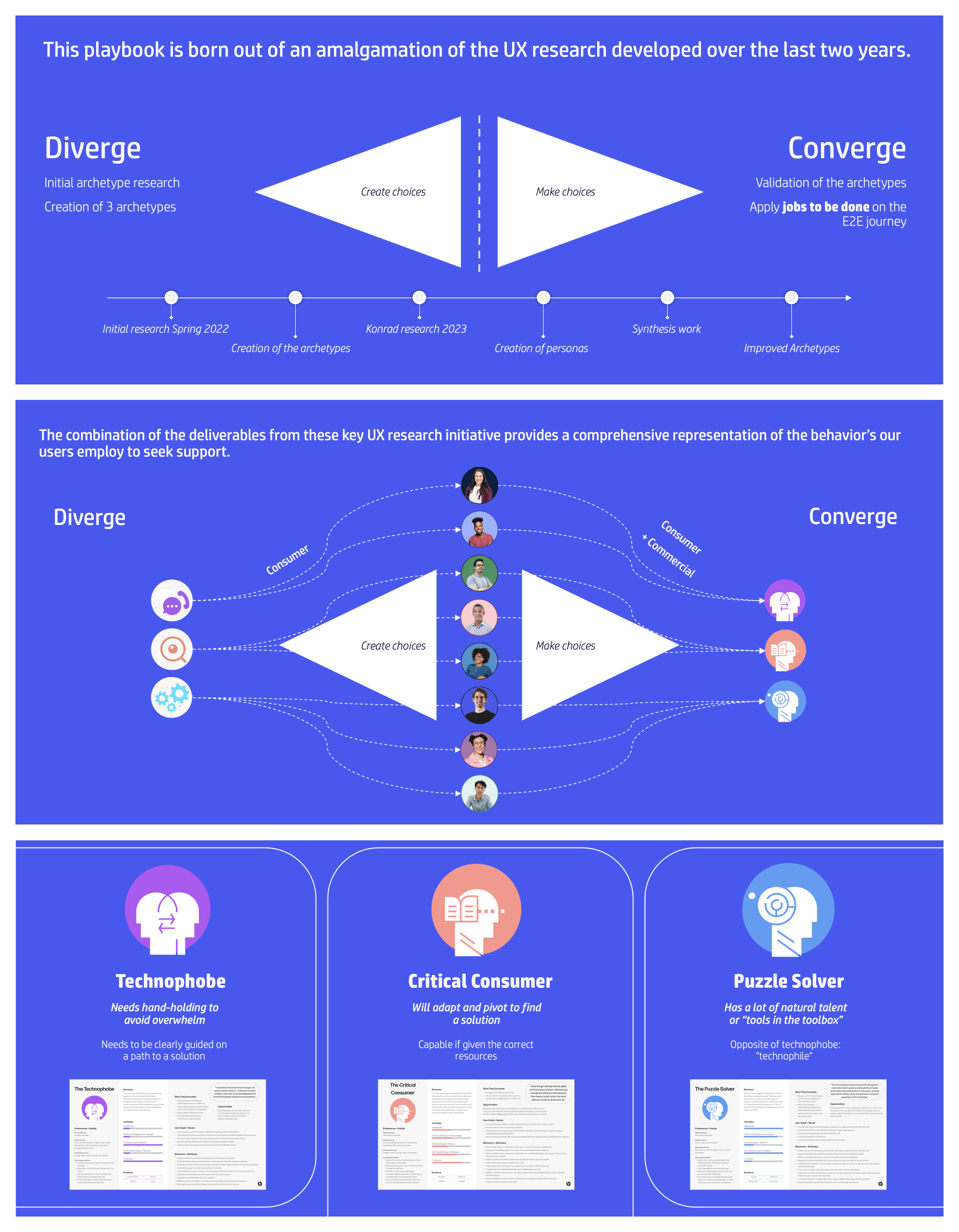
I collaborated closely with a UX Strategist and a UX Designer, while a UX research agency facilitated the in-lab study. The data dump provided by the agency was meticulously sorted and organized using empathy mapping and affinity diagramming, focusing on users' actions, statements, thoughts, and feelings. Sorting through the data allowed me to identify high-level user archetypes which encapsulated and conveyed the broader insights and themes from all of the previous research completed. The resulting guide serves as an exercise in empathy, offering a snapshot of user behaviors, motivations, and attitudes grouped into three archetypes.
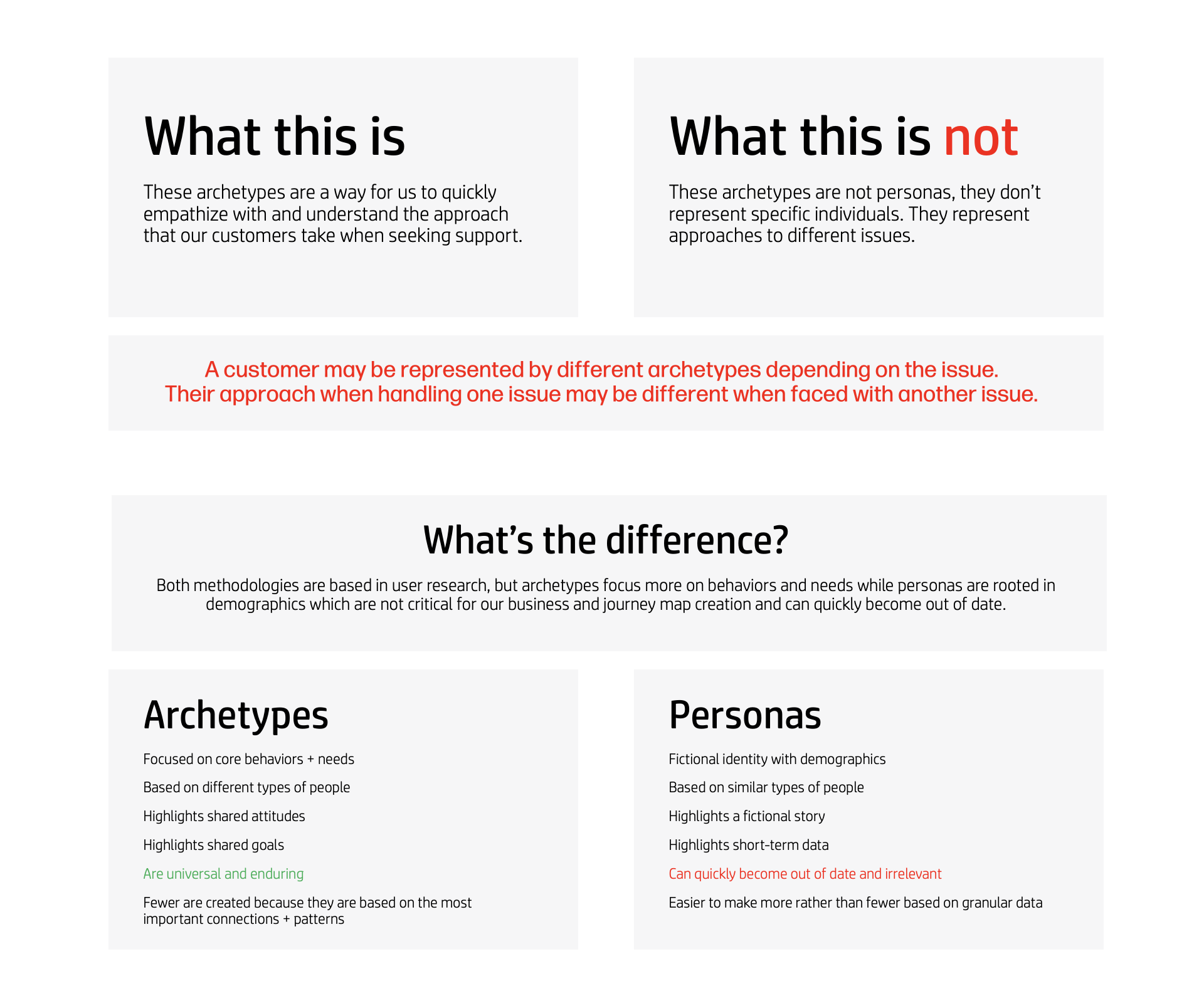
Unlike personas, archetypes represent users who share common traits, motivations, attributes, and behaviors. Understanding these archetypes is crucial for anyone involved in the creation of support products, reference materials, or flow creation. These archetypes act as a living document, remaining relevant across multiple projects and aiding both existing and new members of the Support organization in understanding the user.
Following the initial draft of the guide, a separate research initiative was conducted with an external agency involving 23 participants, resulting in the creation of eight personas. This additional information was integrated into the three initial archetypes to enhance and refine them further.
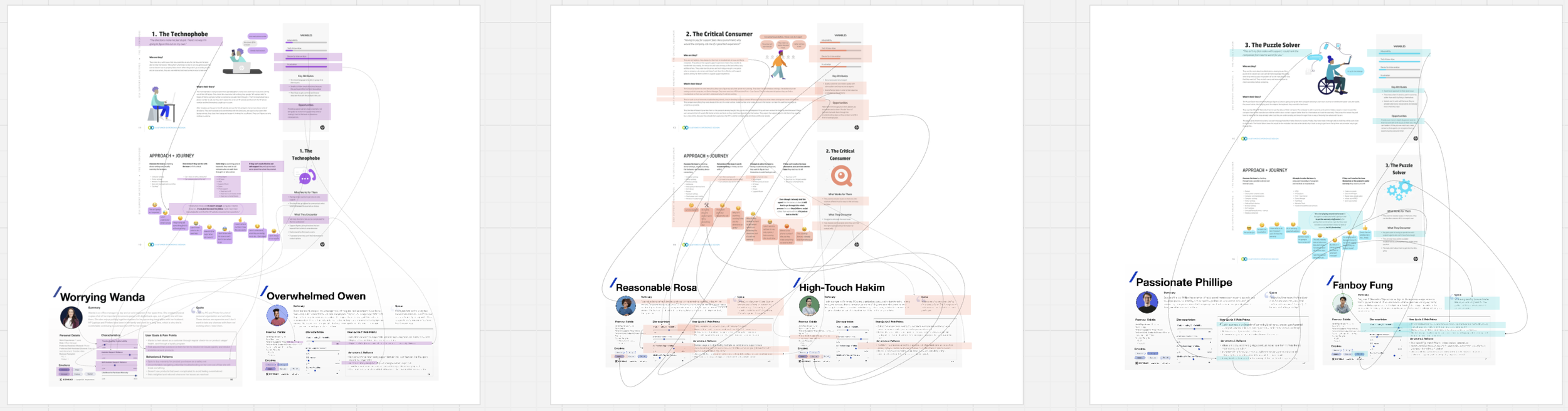
tying THE researching together to future proof decisions
The archetypes serve as an amalgamation of many research studies, as well as secondary research performed by outside agencies. These images show that blending process.
WHY ARCHETYPES AND NOT PERSONAS?
I believed it was essential for the organization to utilize archetypes instead of personas, as archetypes serve as dynamic, living documents that can evolve over time. Unlike personas, which are often tied to specific details that can quickly become outdated, archetypes capture broader user traits and behaviors. This flexibility allows the organization to remain aligned with user needs no matter the specific product the user encounters, ensuring that our understanding of the target audience stays relevant and actionable. By focusing on archetypes, we create a more sustainable framework for guiding design and strategy that adapts alongside our users.
ARCHETYPES + REFERENCE PLAYBOOK:
Understanding Users' Diverse Approaches to Problem-Solving
These three archetypes illustrate the different approaches users take when encountering a problem. Users don't fit neatly into just one archetype; instead, they may exhibit characteristics of different archetypes depending on the specific issue they face.
These three archetypes highlight the varied approaches users take when faced with a problem. Rather than statically fitting neatly into a single category, users often embody characteristics from multiple archetypes, adapting their behavior based on the specific challenges they encounter. Designing for all three archetypes ensures no user is left behind.